Australian National Korean War Memorial on Anzac Parade, Canberra, ACT, Australia Stock Photo
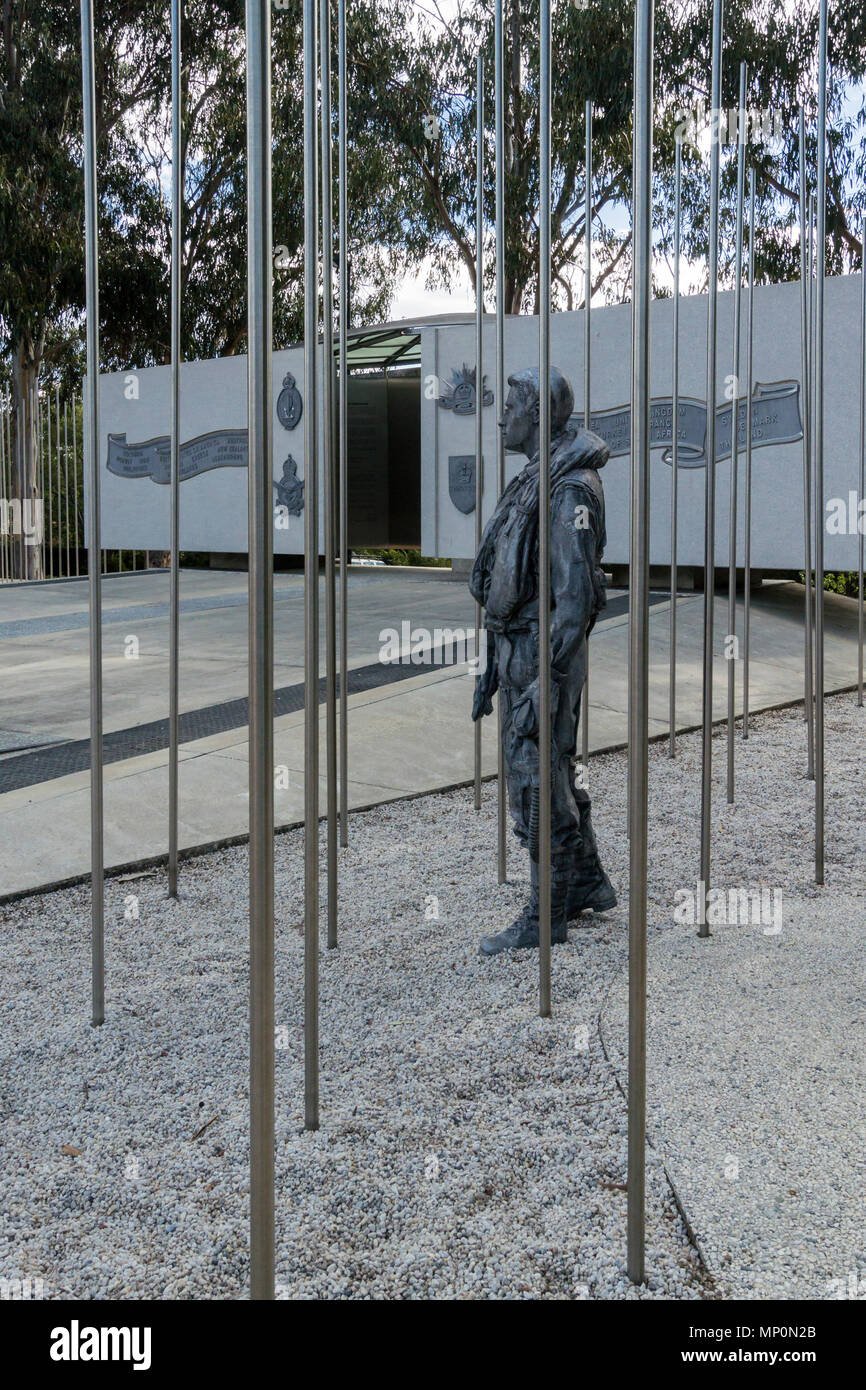
Australian National Korean War Memorial. The Korean War began on 25 June 1950 when North Korean forces invaded the South. 17,000 Australians fought under the United Nations Command until the armistice in July 1953. This memorial commemorates and honours those who died and served. The memorial was designed by the ANKWM Design Group (Les Kossatz.
Anzac Parade Memorials Aussie Peace Walk

The invasion. Mar. 2018 • Couples. This is a monument about the Australian National Korean War Memorial. The Australians came to the rescue when North Korea invaded South Korea. The monument shows a huge obelisk and lots of metal poles where two soldiers are amidst these pools. The soldiers were holding weapons.The metal poles indicate prison.
15Mar09 0350 Australian National Korean War Memorial… Flickr

Korean War. 1950-53: Korean War. General James van Fleet, commander of the 8th US Army, inspects members of the 3rd Battalion, Royal Australian Regiment. The three-year war on the Korean peninsula was the first open conflict of the Cold War. Australia was one of 21 countries that supported South Korea against an invasion by communist North Korea.
Australia Melbourne Korean War Memorials
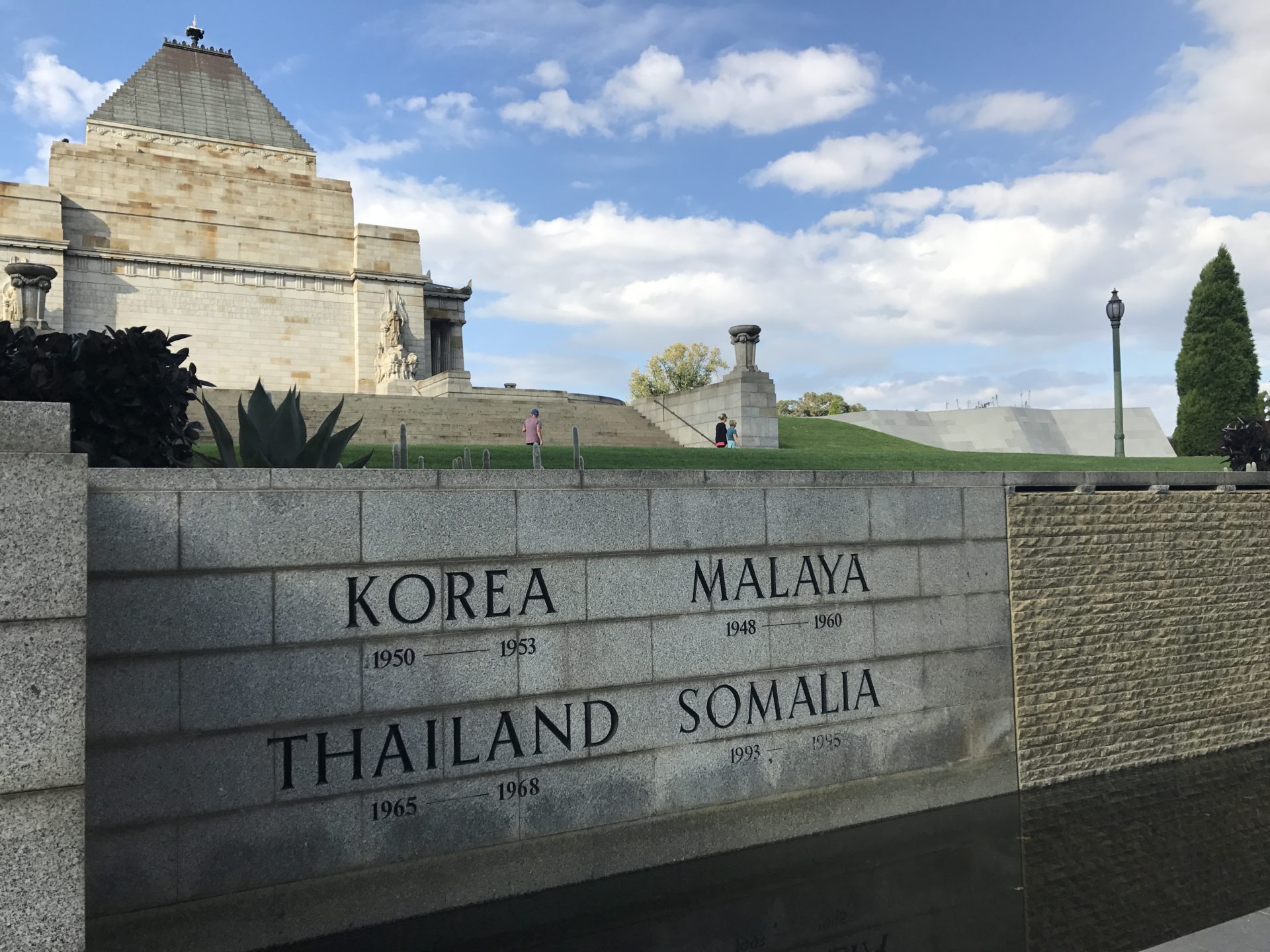
Nominal Roll. The Nominal Roll of Australian Veterans of the Korean War was prepared by the Department of Veterans' Affairs (DVA) in Canberra. It contains information from the service records of more than 17,000 individuals who served during the Korean War. The roll was created to commemorate the men and women who served in the Royal Australian.
Australian National Korean War Memorial Reid ACT 2612, Australia
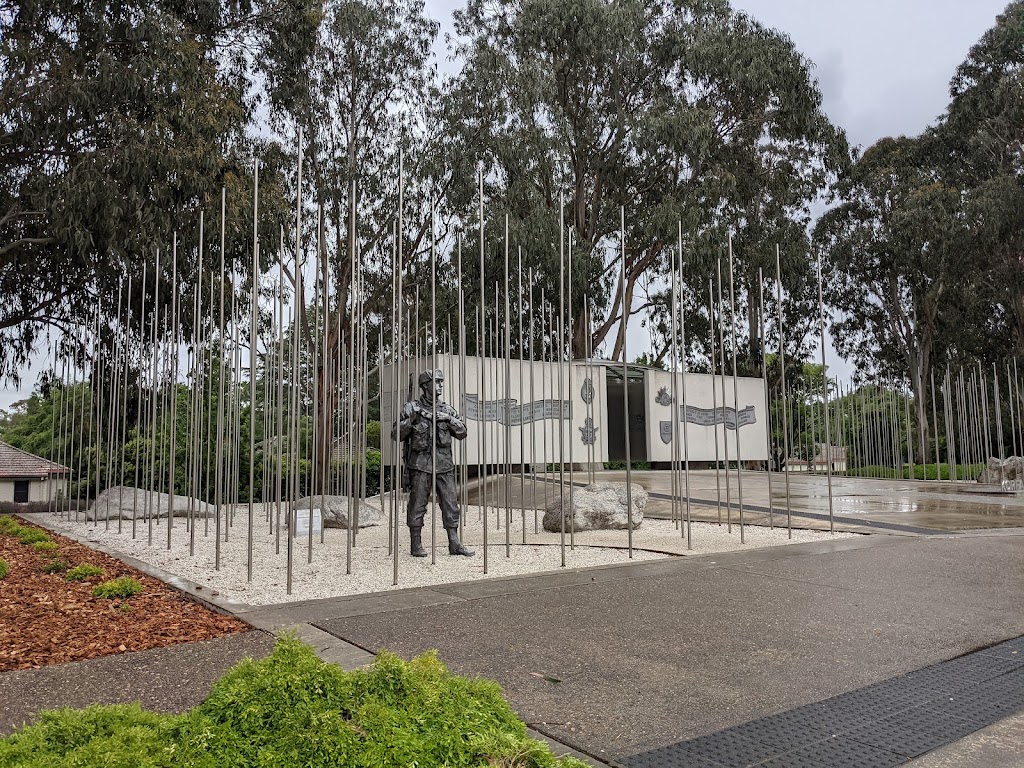
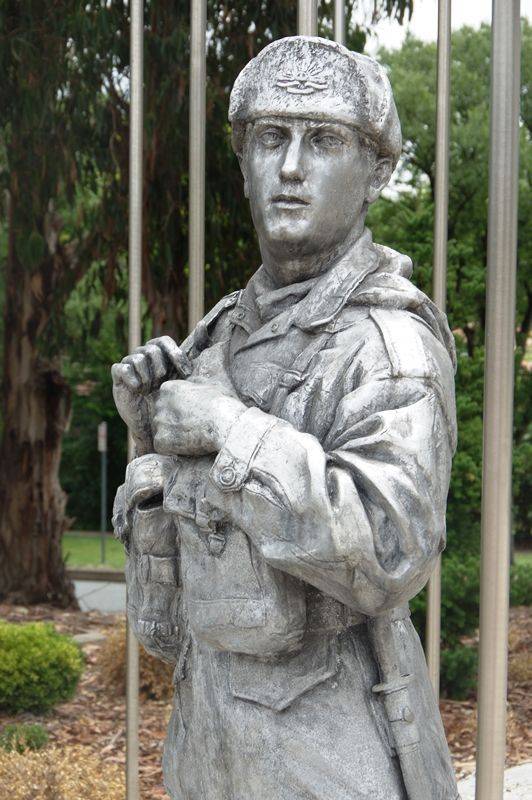
The Australian National Korean War Memorial is a tribute to the Australian forces who fought in this was from 1950-1953. The Memorial includes a boulder from a Korean battlefield, figures depicting servicemen from the war, poles symbolising Australian who died in the war, and an obelisk remembering those who died with no known grave.
Australia Canberra Korean War Memorials
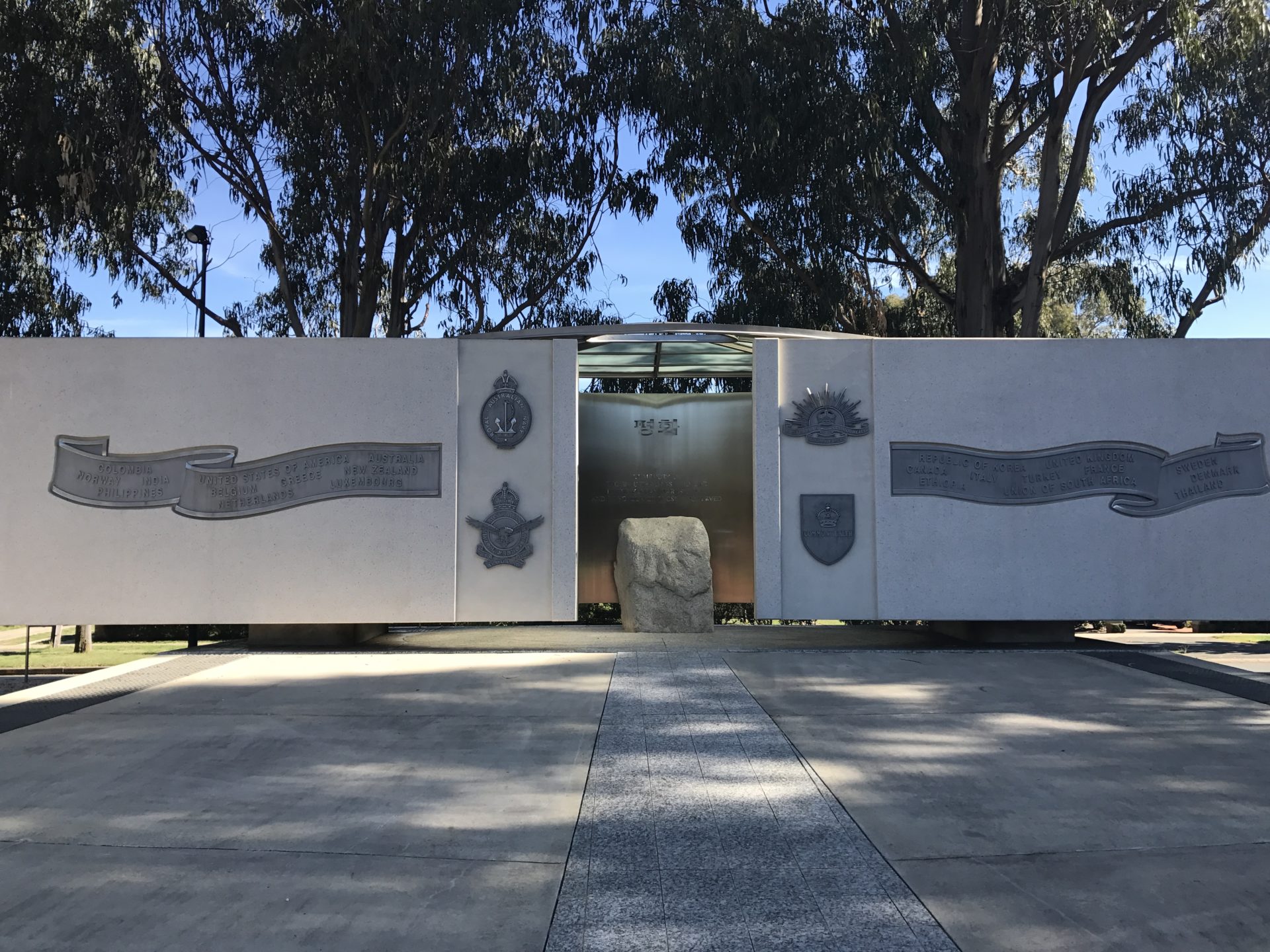
The Korean War also had implications for a much wider conflict, the Cold War. Commemoration of our Korean War veterans Australian National Korean War Memorial. The Australian National Korean War Memorial on Anzac Parade, Canberra, was dedicated on 18 April 2000 to those who served in the Korean War. Cemeteries and Gardens of Remembrance in.
Korean War Memorial Monument Australia
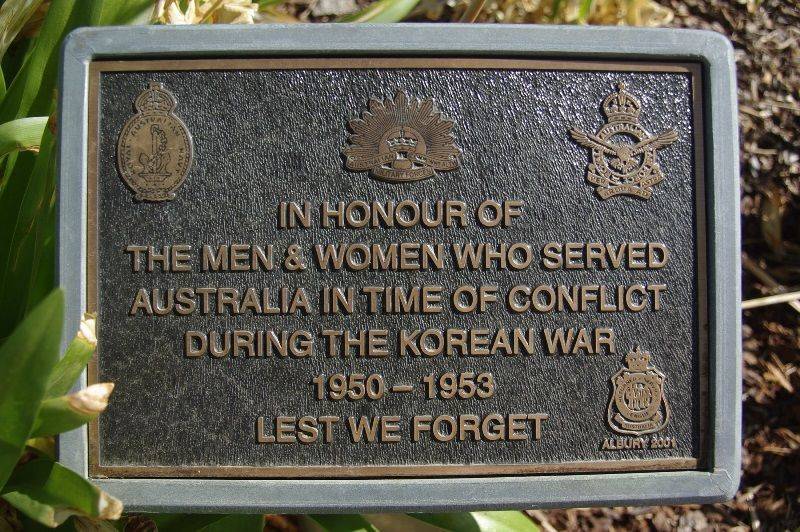
Toowoomba Grammar School Honour Roll. Address: 24 Margaret Street, Old Hall, Grammar School. City/Town: East Toowoomba. State: QLD. Theme: Conflict. Sub-Theme: Korea. UBC Web Design. This webpage documents the Monuments and Memorials within Australia associated with the Korean War from 1950 to 1953.
Korean War Memorial Jane Cavanough
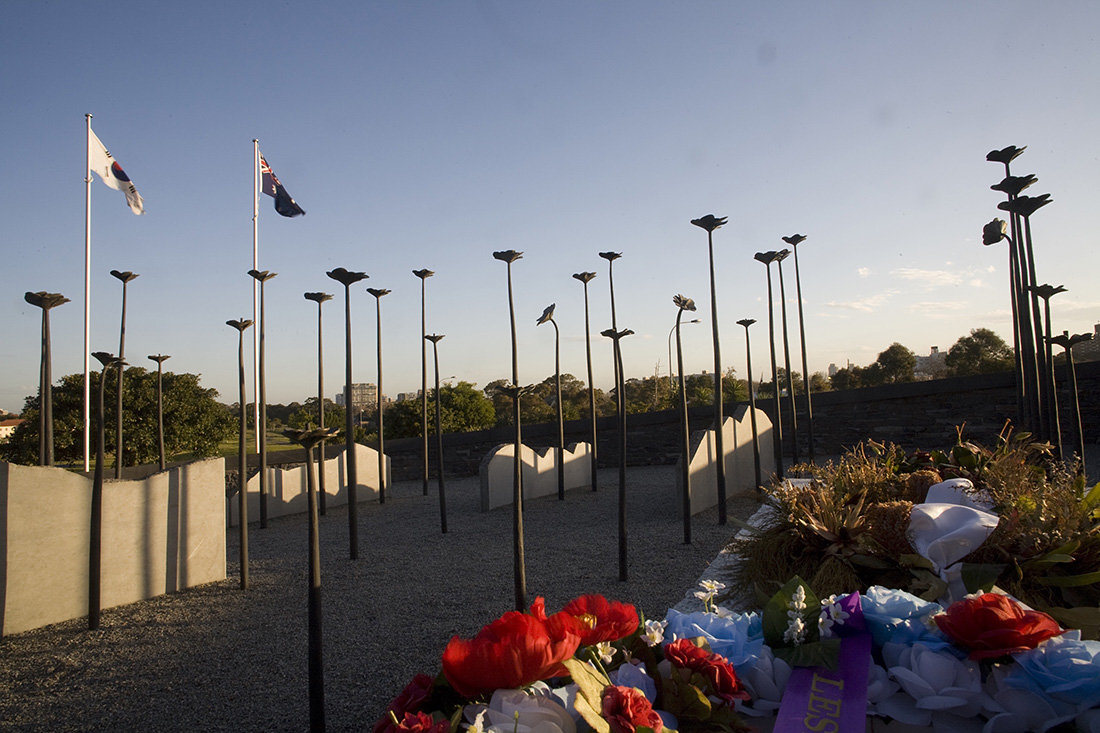
Photographed by Martin Ollman. This memorial commemorates the Australians who died and those who served in the Korean War. The field of poles represents those who died. The three figures represent the Australian sailors, soldiers and airmen who served. The boulders, transported from the Imjim River region, and the monotone of materials used.
Photos of the Korean War Veterans Memorial
/korean-war-memorial-3-56a232c63df78cf77273285c.jpg)
Browse Getty Images' premium collection of high-quality, authentic Australian National Korean War Memorial stock photos, royalty-free images, and pictures. Australian National Korean War Memorial stock photos are available in a variety of sizes and formats to fit your needs.
Korean War Veterans Memorial Wall of Remembrance unveiled 69 years after war's Armistice Day

The Australian National Korean War Memorial is on Anzac Parade, the principal ceremonial and memorial avenue in Canberra, the national capital city of Australia. The Korean War began on 25 June 1950 when the forces of North Korea invaded South Korea . 17,000 Australians fought under the command of the United Nations until the armistice in 1953. [1]
Australian National Korean War Memorial Monument Australia
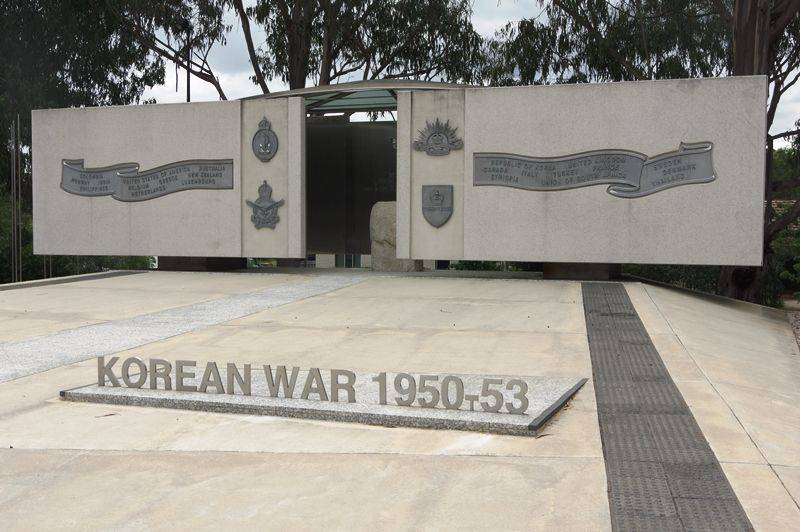
The Australian National Korean War Memorial commemorates the 17,000 Australians who served under United Nations command in the Korean War. The predominance of white and grey tones, along with use of granite and gravel recalls the harsh climate and terrain of Korea. A central walkway leads to a contemplative space.
Australian National Korean War Memorial Monument Australia
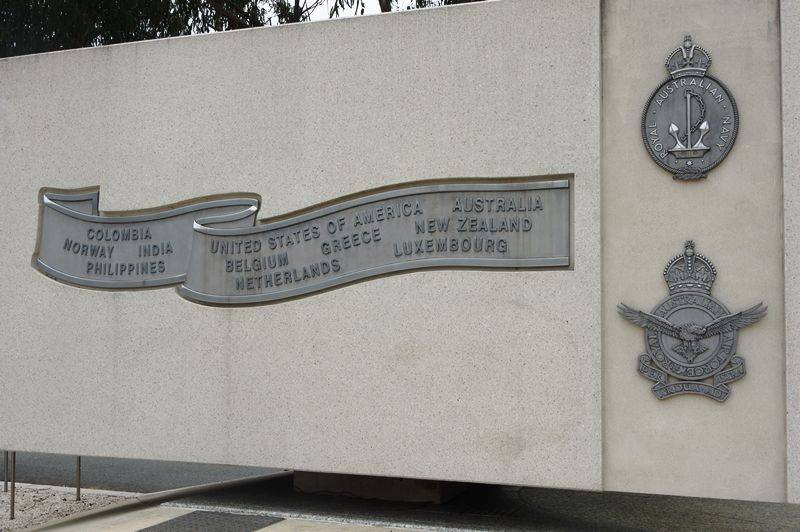
In Australia on 25 April (Anzac Day) and 11 November (Remembrance Day) we pause to think of over 103,000 of our servicemen and women who have died in war. The special day of remembrance for those who died in Korea is 24 October, United Nations Day. A service is held annually at the Australian National Korean War Memorial on Anzac Parade in.
The Korean War Veterans Memorial depicts a formation of 19 statues of servicemembers maneuvering

He actively promoted the establishment of the Australian National Korean War Memorial in Canberra to honour Korean War service and sacrifice. Read the full story > Image. Ernest Robert Holden Army. Private Ernest Robert Holden was just 20 when he deployed to Korea with the 2nd Battalion, The Royal Australian Regiment (2RAR) between March to May.
Australian National Korean War Memorial Places of Pride

The War Memorial commemorates Australians who served in the Korean War from 1950 to 1953. The design of the memorial encourages bridging between Australia and Korea. The pillar-like panels arranged in staggered configurations represent Korea rising from the ashes after the war. The poignant images of soldiers on the panels are made up of tens of thousands of perforations, allowing visitors to.
Australian National Korean War Memorial Monument Australia
The remains of 281 Australian sons are interred here, alongside thousands of their allies. And more than 40 Australians are still listed as missing in action. The Korean War was one of lightning advances and gruelling stalemates. Of Monsoonal rain, sweltering heat, and winter blizzards that brought temperatures as low as minus 16 degrees.
Australian National Korean War Memorial Monument Australia
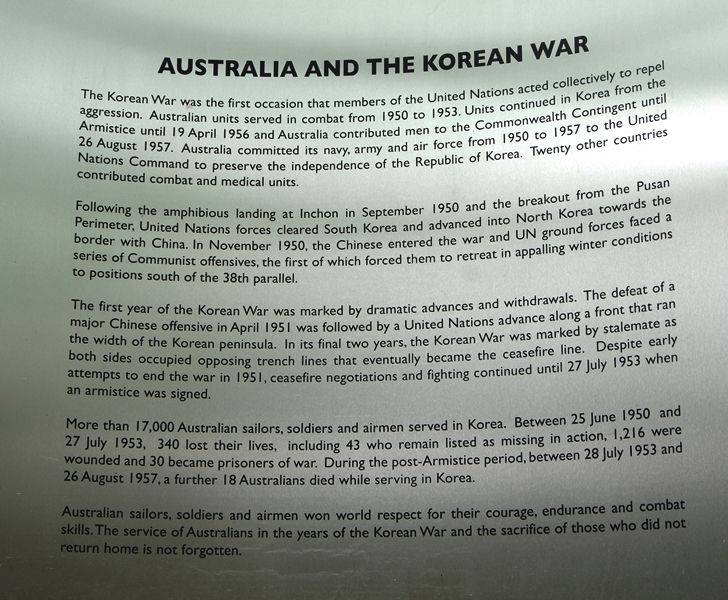
Over 17,000 Australians served during the Korean War, of which 340 were killed and over 1,216 wounded. A further 30 had become prisoners of war. More about the Korean War Essays, articles, and talks "The Korean War and Australia": Australian War Memorial Anniversary Oration by Robert O'Neill, 11 November 2003; Encyclopedia entries : Kapyong.