Around Australia in 22 days The Pinnacles
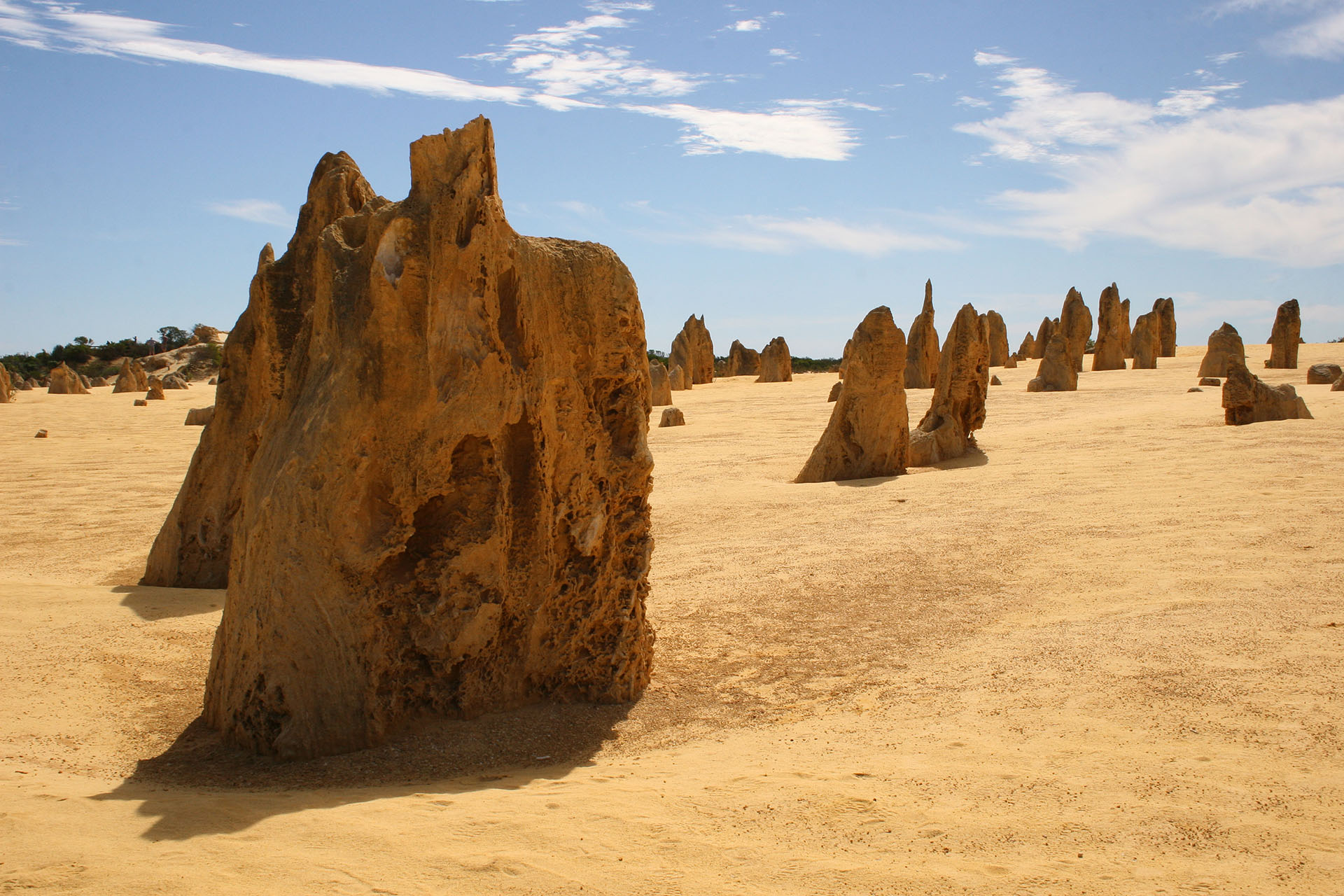
The Pinnacles Volcanic Formation formed approximately 23 million years ago as it was extruded through many vents and deposited atop the granitic basement, forming a vast volcanic field. The magma that was the source of all the volcanics was rhyolitic in origin. The formation consists of rocks such as banded and massive rhyolite, some andesites.
Formation of the Pinnacles, Western Australia National Rock Garden

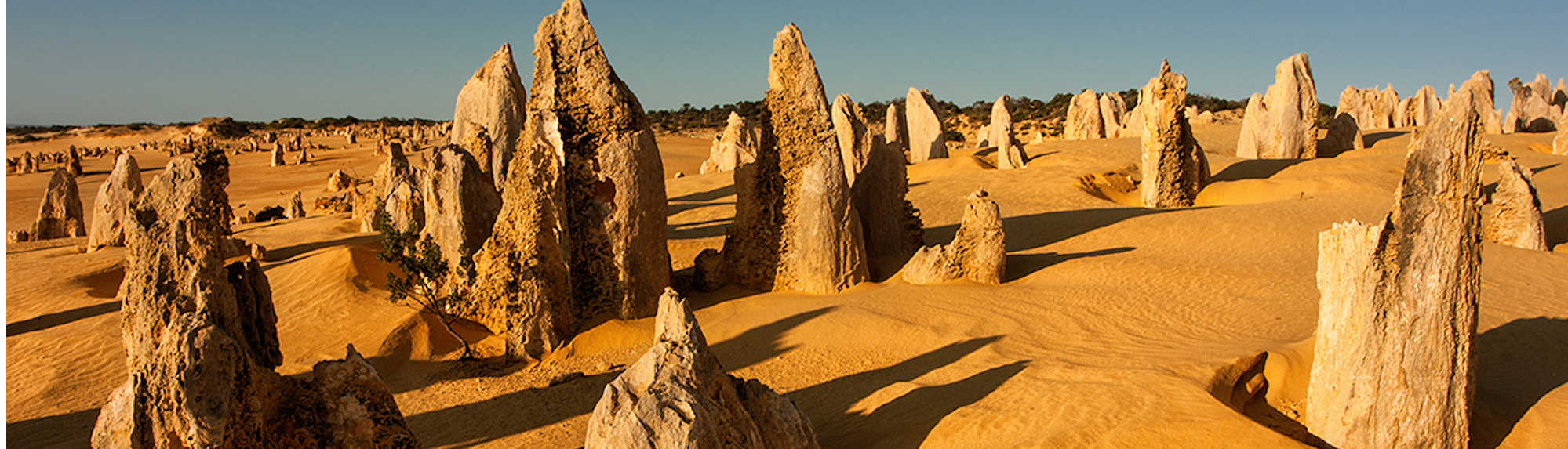
About the Pinnacles. It's believed the amazing natural limestone structures were formed around 25,000 to 30,000 years ago. The Pinnacles stretch up as high as five metres, scattered about randomly in the dry desert landscape. The raw material of the limestone stacks is said to form seashells, which give evidence of how old these structures.
How Pinnacles Formed Pinnacles National Park (U.S. National Park Service)
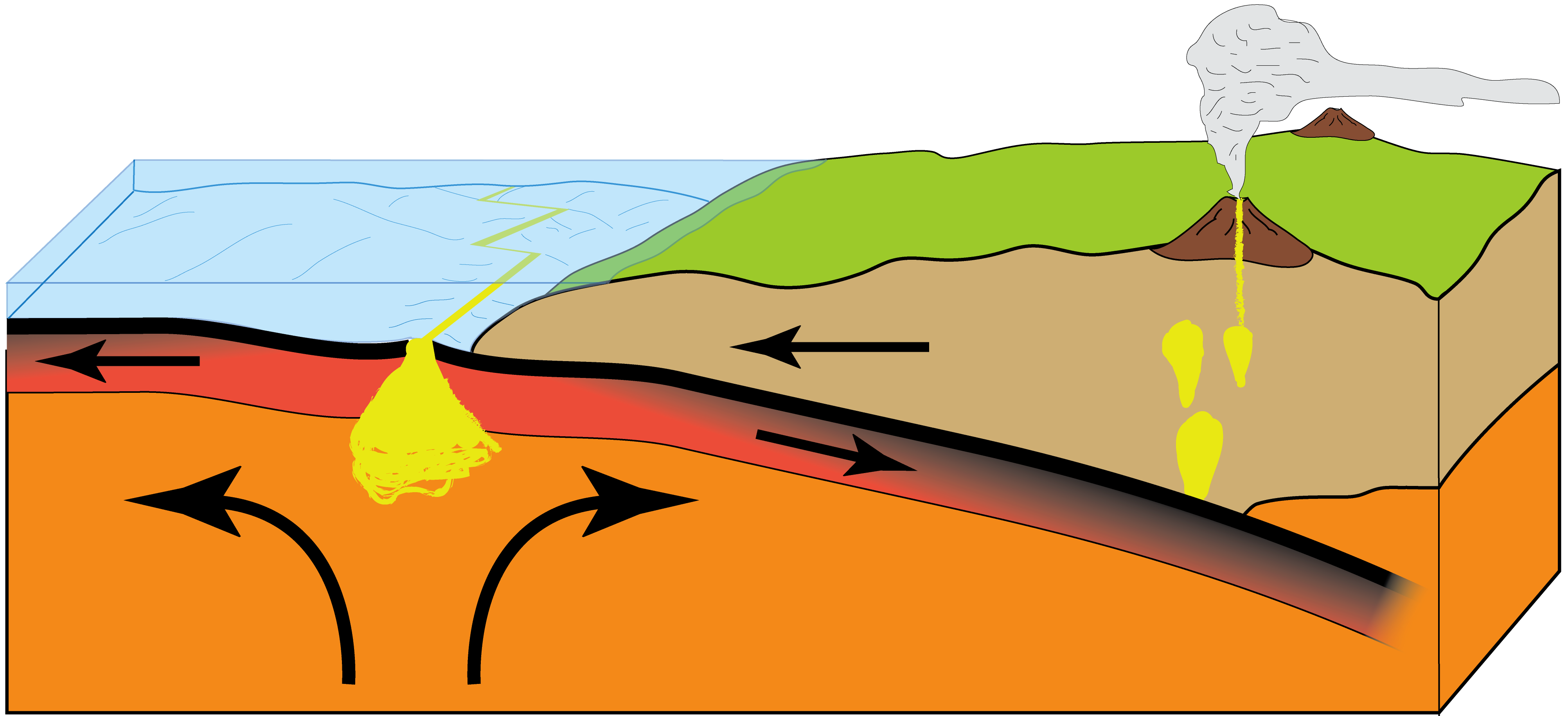
Pinnacles National Park is the remnant of an ancient volcano formed approximately 23 million years ago. The Pinnacles volcano was a result of the same plate subduction occurring today off the California coast. As thick lava flowed from the volcano, combined with explosive bursts of rock, this "stratovolcano" created the infamous protruding.
How the Pinnacles were formed with Mike Newton YouTube

Location: CaliforniaEstablished: January 10, 2013Size: About 26,000 acres. Pinnacles—the newest U.S. national park—is a geologic wonderland of jutting volcanic spires, cliffs, and peaks.
The Pinnacles (Western Australia) in Cervantes

March 28, 2023 by Sylvia Hill. The Crater Lake Pinnacles are a series of rock formations located in Crater Lake National Park in southern Oregon. The pinnacles were formed over time by the erosion of the surrounding volcanic rock. The volcanic rock is rich in minerals, which helped to form the unique shapes of the pinnacles.
The Pinnacles "Western Australia" Geology Page

However, it is generally accepted that the Pinnacles began forming around 25,000 to 30,000 years ago when the sea levels were lower during the last Ice Age. The accumulation of marine shells and subsequent processes of limestone formation and erosion have continued to shape the Pinnacles over thousands of years.
The Pinnacles "Western Australia" Geology Page

The work of water and wind on these erodible volcanic rocks has formed the unusual rock structures seen today. Today, these rocks give many species of plants and animals a place to call home. Fault action and earthquakes also account for the talus caves that are another Pinnacles attraction. Deep, narrow gorges or shear fractures were.
Hi The Pinnacles Alien rock formations grown from the sands of an Australian national park

The pinnacles were formed by volcanic activity about 23 million years ago, some 195 miles (315 km) south of their present location. They have moved slowly northwestward by tectonic activity as the Pacific Plate has slid along the edge of the North American Plate; a remnant of the formation still exists in its original location, a short distance northeast of Los Angeles.
The Pinnacles "Western Australia" Geology Page

The Pinnacles during sunset. The raw material for the limestone of the Pinnacles came from seashells in an earlier era that was rich in marine life. These shells were broken down into lime-rich sands that were blown inland to form high mobile dunes. However, the manner in which such raw materials formed the Pinnacles is the subject of debate.
Limestone Formations In Pinnacles Photograph by Rachel Lewis

The Pinnacles Volcanic Field But all was not peaceful in the depths of the earth. The subducted Farallon plate pushed ever under and downward, began melting, and as the two plates continued colliding, the tension cracks and fissures that formed were ready releases for the molten rock below.
Pinnacles National Park Wallpapers Wallpaper Cave
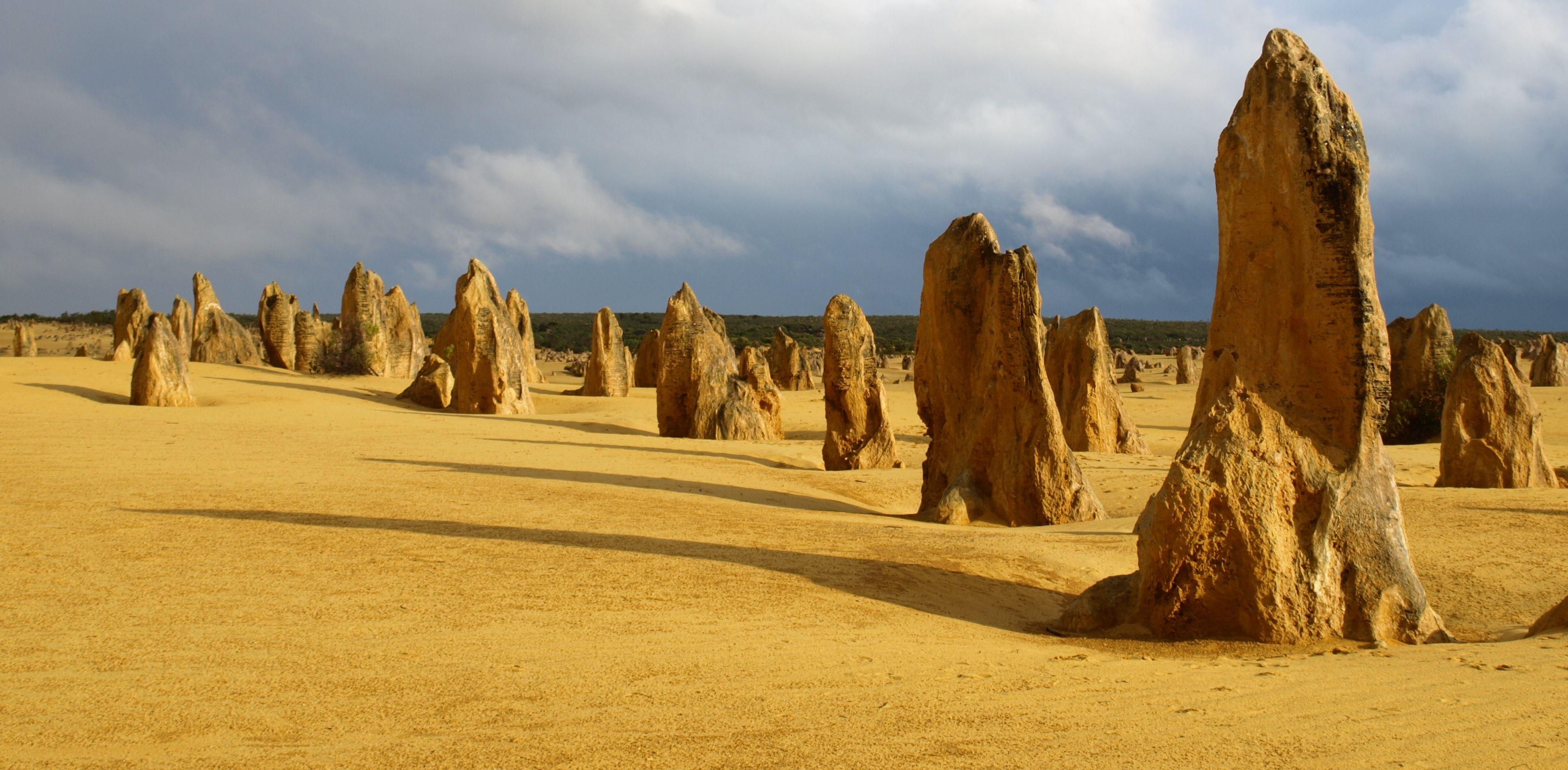
How were The Pinnacles formed? The iconic landscape of the Western Australia Pinnacles is made out of weathered limestone formations (of about 25.000 years old) which stand up out of the yellow sand dunes to almost four/five meters in height, all with different shapes and sizes. The limestone pillars were originally believed to be a lost city.
Formation of the Pinnacles, Western Australia National Rock Garden
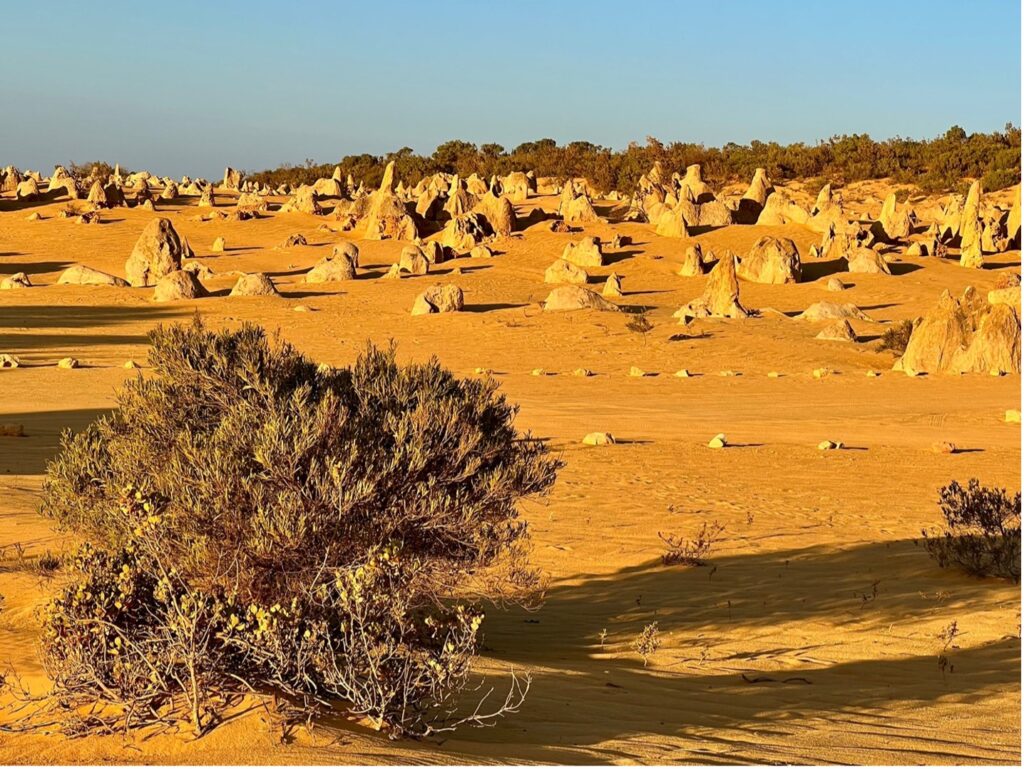
Pinnacles National Park is an American national park protecting a mountainous area located east of the Salinas Valley in Central California, about five miles (8 km) east of Soledad and 80 miles (130 km) southeast of San Jose.The park's namesakes are the eroded leftovers of the western half of an extinct volcano that has moved 200 miles (320 km) from its original location on the San Andreas.
Crosssection of the Pinnacles Desert. See Figure 8 for location. The... Download Scientific

The raw material for the limestone of the Pinnacles came from seashells in an earlier era that was rich in marine life. These shells were broken down into lime-rich sands that were blown inland to form high mobile dunes. However, the manner in which such raw materials formed the Pinnacles is the subject of debate and three theories have been.
The Otherworldly Pinnacles Desert Nambung National Park

The Pinnacles were formed by wind erosion over thousands of years, and on a windy day, you can watch new formations emerge (Credit: Jean-Bernard Carillet) The shapes and extent of the rock.
How Did the Pinnacles Form in Western Australia?
Characteristic erosion of these deposits has formed the scenic pinnacles, spires, cliffs, and crags of the region. Fragmental material includes agglomerate, breccias, and tuffs. Because of the variation in interpretation of terms describing volcanic ejecta, the terms proposed by Wentworth and Williams 27 will be followed as closely as possible.
The Pinnacles "Western Australia" Geology Page

The layer has most probably been formed at the time when the pinnacles were already formed but still covered with sand. Conclusions. The Pinnacles are small towers of calcarenite up to 5 m tall and up to 2 m wide with a variety of shapes. They have formed by erosion (especially water corrosion and wind erosion) of the surrounding material to.