NDIS Dwelling Type v Building Classification Constructive Building Consultants
For questions related to the requirements under the Design and Building Practitioner scheme, contact NSW Fair Trading on 13 32 20. For questions related to lodging documents on the NSW Planning Portal call 1300 305 695 or email info@service.nsw.gov.au.
class 9b building requirements

The technical building requirements for Class 2 to 9 buildings are mostly covered by Volume One of the NCC and those for Class 1 and 10 buildings are mostly covered by Volume Two of the NCC.. A Class 9b building is an assembly building which is defined to include a building where people may. NSW Part J(A)2 Building sealing. NSW Part J(A)3.
D&P Regulations Class 2 Buildings and buildings with a class 2 part Credwell

From 1 August 2023, the Amending Regulation requires local councils and certifiers to use a mandatory fire safety schedule template for Class 1b to 9 buildings where new fire safety measures are proposed or existing measures are changed. The template will be made available on the NSW Government website prior to August 2023.
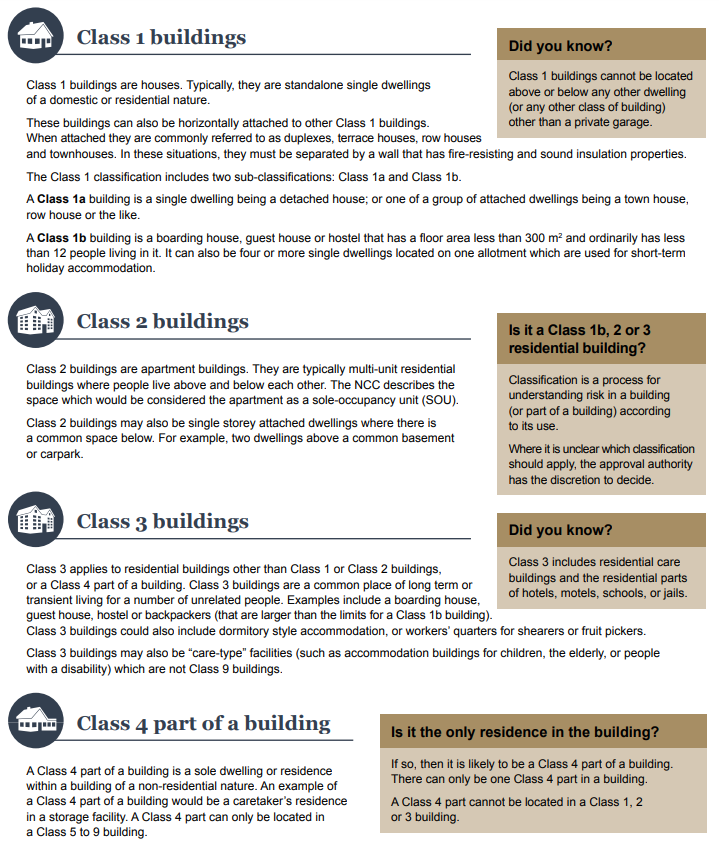
NCC classifications Public building, Boarding house, Jail

On 15 June, over 800 industry professionals joined NSW Fair Trading for an industry update on the expansion of building reforms to class 3 and 9c buildings from 3 July 2023. The event provided a comprehensive look at the upcoming changes, providing context for the reforms and new requirements for design and building practitioners, certifiers.
Education Buildings Class 9B Exhibitors Portal The Build & Design Centre

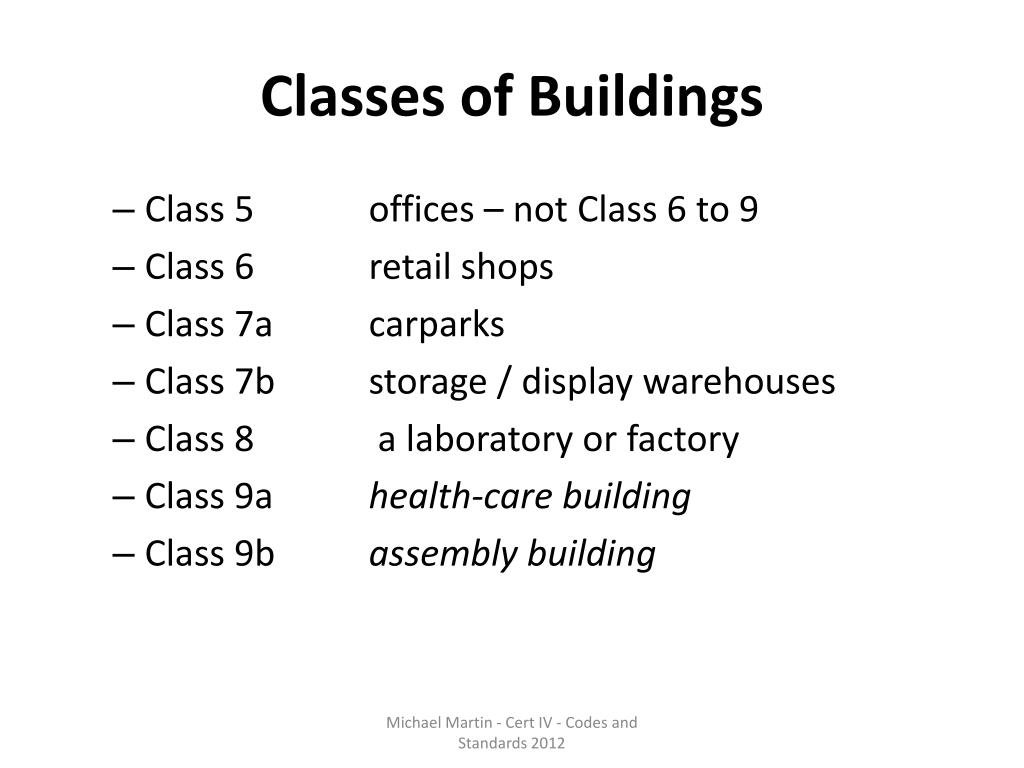
In Queensland, Class 9b buildings need to meet a number of standards to ensure they are appropriate and safe for public use. The standards include requirements around elements like emergency lighting, air flow, exit signage, fire safety and student capacity. It also includes standards around: Door and corridor widths.
PPT Lesson Two Classification of Buildings and Acceptable Construction PowerPoint
Part J1 Energy efficiency performance requirements. NSW Part J1 Energy efficiency performance requirements. Part J2 Energy efficiency. Part J3 Elemental provisions for a sole-occupancy unit of a Class 2 building or a Class 4 part of a building. Part J4 Building fabric. Part J5 Building sealing. Part J6 Air-conditioning and ventilation
For Class 9B Buildings Used For Primary Schools Balustrade / Double Offset Handrail & Kerbrail

The changes coming for Class 3 and 9c buildings in 2023 will have significant implications for the construction industry in NSW. Developers and builders of these buildings will need to ensure that they comply with the new requirements under the DBP and RAB Acts, which will increase their regulatory burden and potentially increase their costs.
NATIONAL CONSTRUCTION CODE 2019 BCA AMMENDED by PLASSON Australia Issuu

For the purposes of the Building Code of Australia 2019 the development may be described as follows; 2.1 Building Classification (Part A6 & Part A7) The building classification has been classified as follows. Building Levels Classification Use RIS Ground Floor Class 9b Proposed - Early Childhood Centre 1 2.2 Rise in storeys (Clause C1.2)
Buildingclassifications understanding the National Construction Code ABPL90292 Studocu
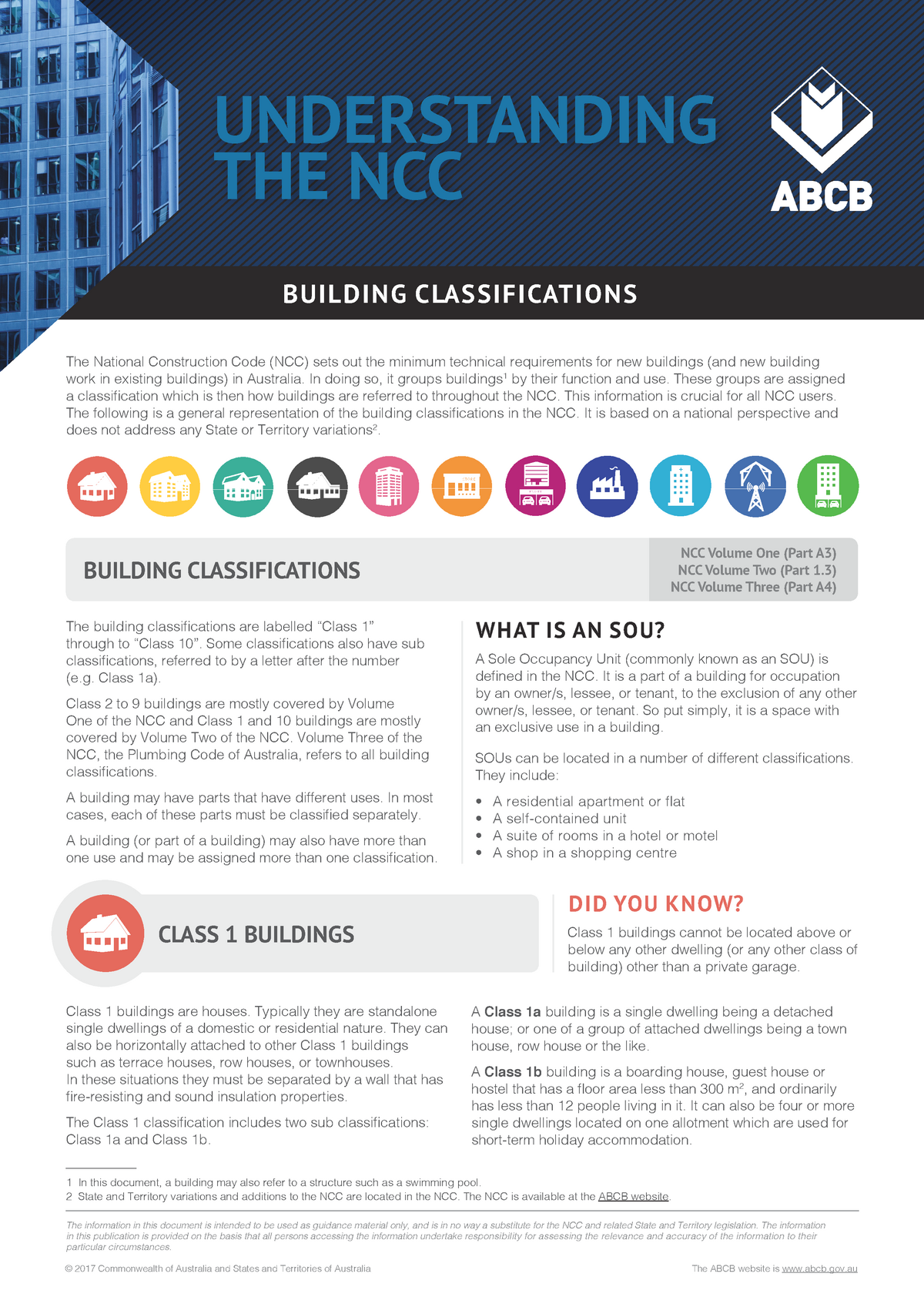
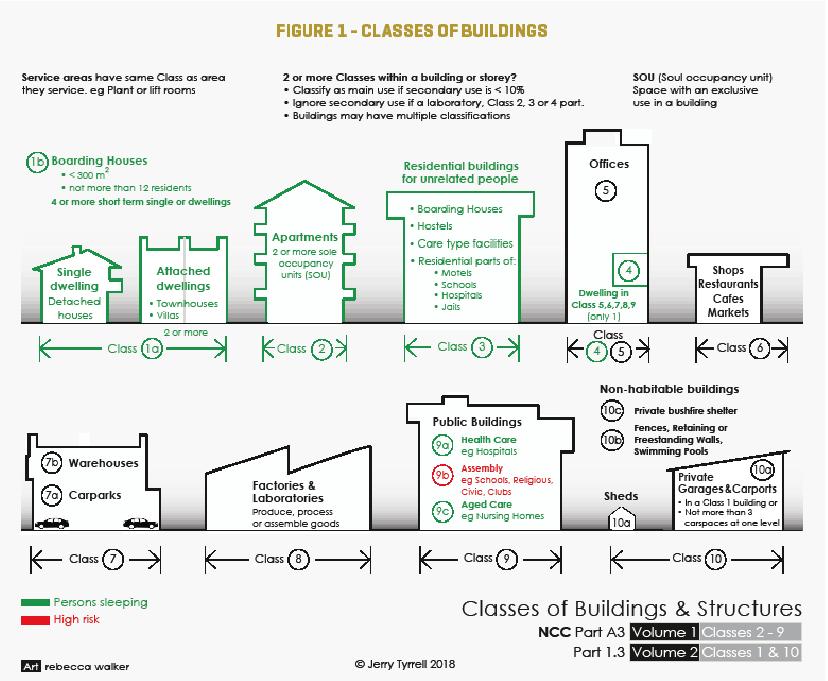
These relate to the use of a building and range from Class 1 through to Class 10. The following table explains how to identify the different Classe. top of page. Suite 5, 5 Green St Maroubra NSW 2035 02 9700-8600. Home. About. Projects. Services. Building Approvals;. CLASS 9b: An assembly building in which people may gather for social.
classes of buildings Building Connection
Fire exits: making sure current code for fire services will be in line with 9B certification. The certification may require fire services to arrive on site and assess the situation physically. This would include a call-out cost estimated to be $2,000 - $4,000 as a one-off cost. Works to disabled access and egress.
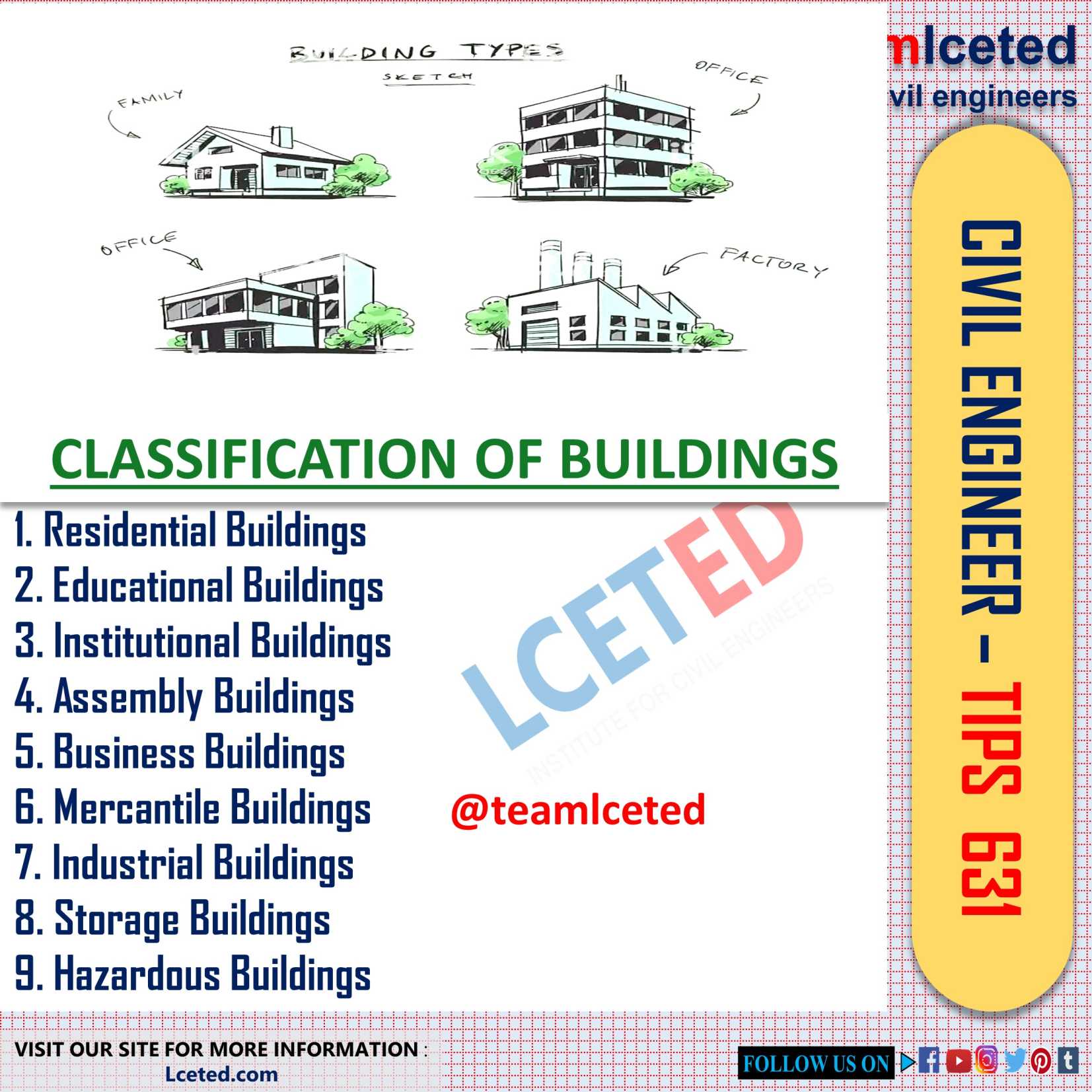
CLASSIFICATION OF BUILDINGS TYPES OF BUILDINGS LCETED lceted LCETED INSTITUTE FOR CIVIL
(2) The regulations may include any other person or class of persons in the definition of volume fuel retailer. (3) The regulations may exclude a person or class of persons from the definition of volume fuel retailer. 5 Act applies only to sales to person in NSW or for delivery in NSW
BCA Classes of Building.pdf
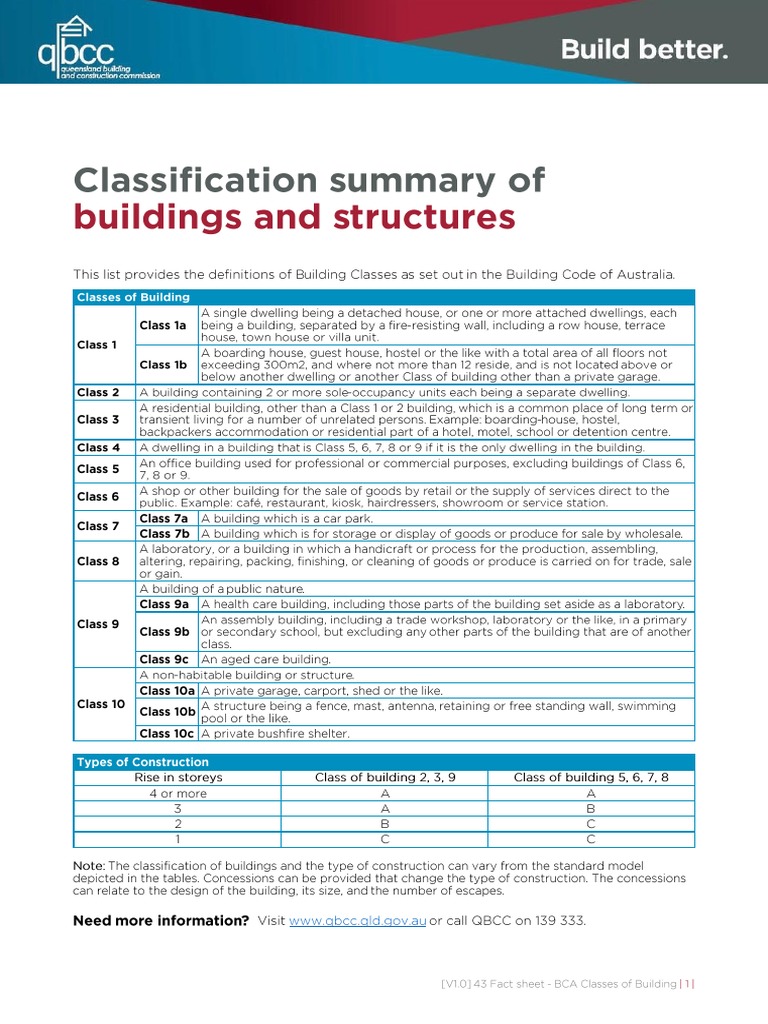
Philip Chun BC NSW Pty Ltd - 023-221063_AGNSW_CapStatReport_20240311.doc Page 2of CLASSIFICATIONS FOR THE BUILDING The building is class 9b as described below. Class 9: a building of a public nature that includes one or more of the following sub-classifications: (a) Class 9a — a health-care building including any parts of the building set aside as laboratories, and includes a
Education Buildings Class 9B Exhibitors Portal The Build & Design Centre

A registered design practitioner needs to prepare regulated designs when there is building work on a class 2, 3 or 9c building, which involves a building element or a performance solution. This applies for new and existing class 2 buildings whereas alteration or renovation work for existing class 3 and 9c buildings will come into effect on 1.
PPT Access Code for Buildings PowerPoint Presentation, free download ID5351929
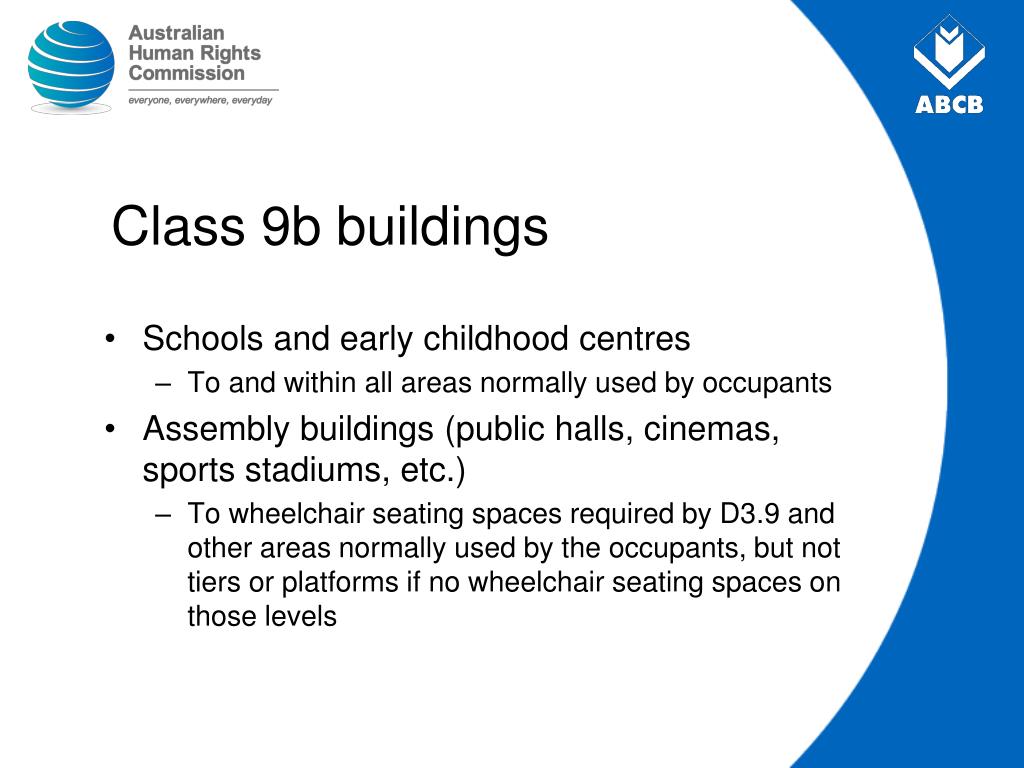
in a Class 9b building used as an entertainment venue, the height prescribed for guardrails in NSW H101.14.2 and NSW H102.9. In a Class 9b building used as an entertainment venue— stairways or ramps; and; the floor of any access path, balcony, landing or the like.
PPT Lesson Two Classification of Buildings and Acceptable Construction PowerPoint
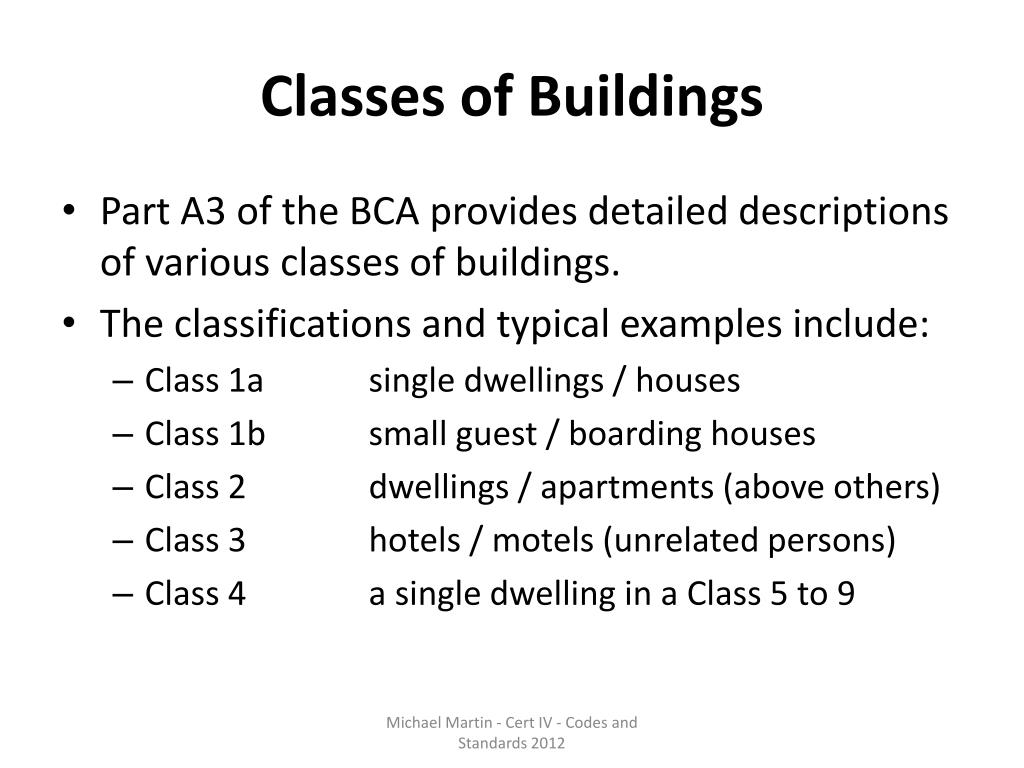
Class 1. The buildings in Class 1 are houses. In particular, they are standalone structures that serve as residences. Two types of sub-class in Class 1: Class 1a: any single residence, (house, townhouses or duplex, etc.) Class 2a: a boarding or hostel type of residence housing not more than 12 individuals, with a maximum floor area of 300 sqm.
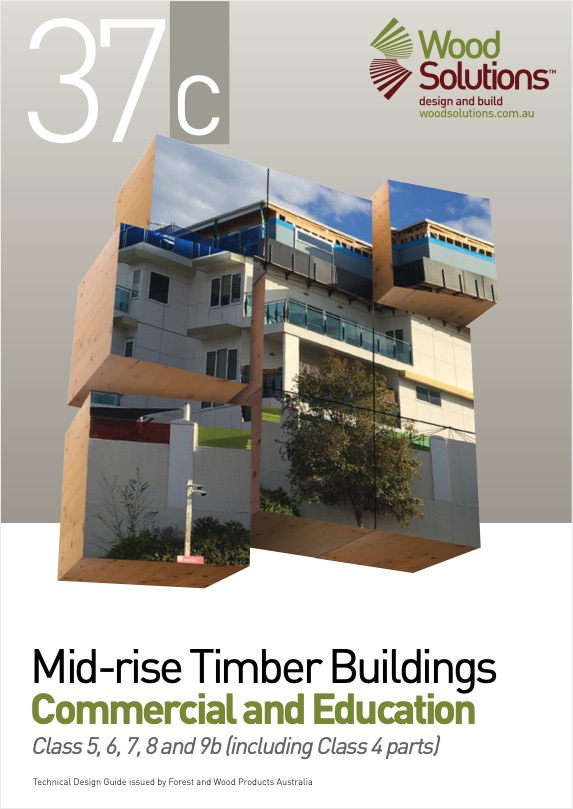
Midrise Timber Buildings Commercial and Education Class 5, 6, 7, 8 and 9b WoodSolutions
Class 2, 3 and 9c buildings are currently regulated in NSW. From 3 July 2023, the RAB Act and the DBP Act expanded to include class 3 and 9c buildings (in addition to class 2 buildings). Under the RAB Act, developers must give notice of the date they plan to apply for an occupation certificate, and may be required to pay the building work levy.